July 8, 2026
You improve supply chain resilience step by step: map risks, build in buffers and alternatives, gain visibility of your supply chain and have a team that responds quickly.
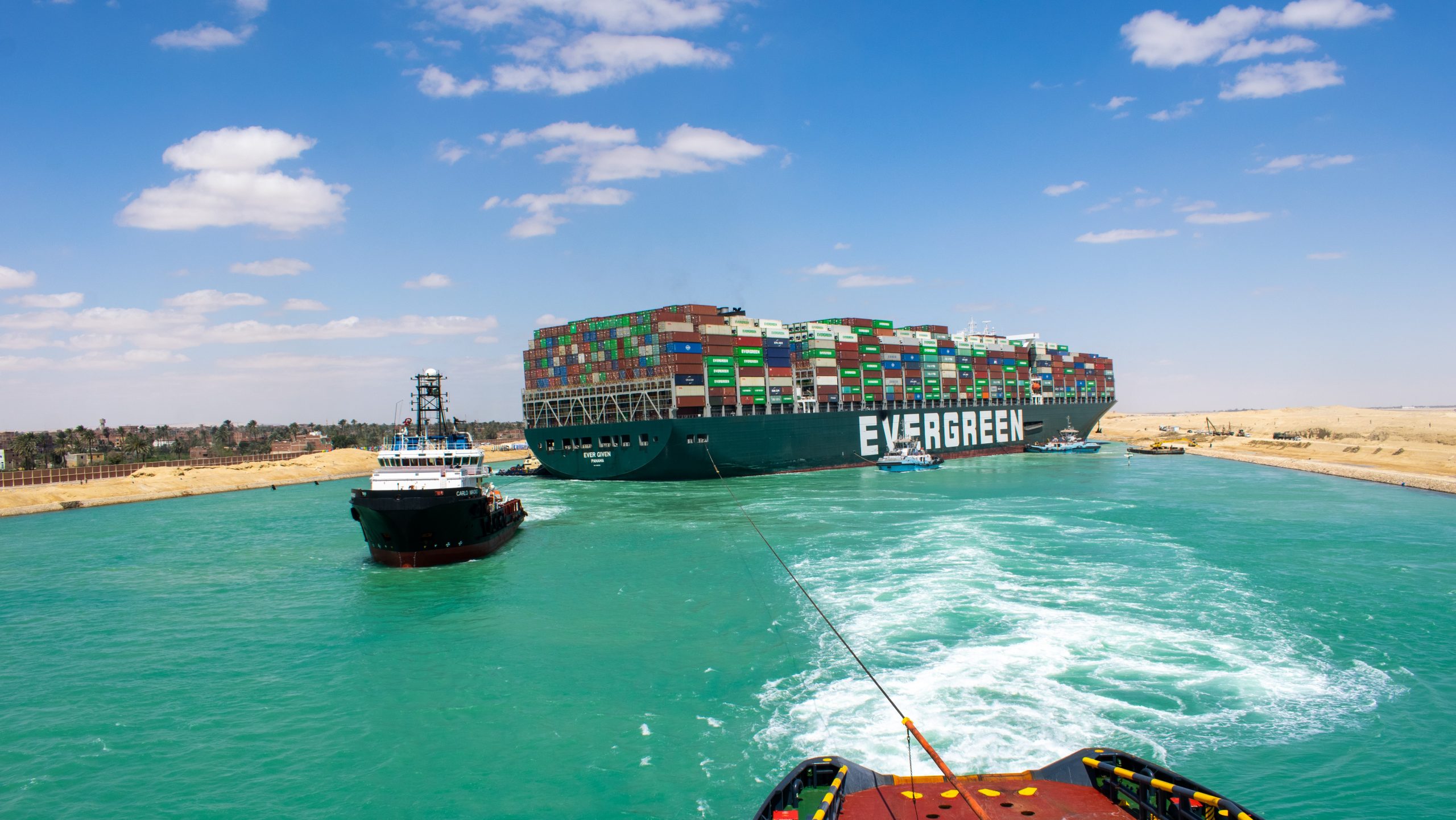
You improve supply chain resilience by making risks visible, building in buffers and alternatives, and organising your supply chain to be agile. It comes down to one question: if something goes wrong tomorrow, how quickly are you back on your feet? This step-by-step plan helps you on your way.
Resilience is the ability of your supply chain to absorb disruptions and recover from them quickly. No supply chain is invulnerable: a supplier that drops out, a raw material that becomes scarce, a peak you did not see coming. Resilience determines whether such a shock hits you briefly or shuts you down for weeks.
Would you first like to know how to organise resilience structurally as a process? Then also read our article How to organize Supply Chain Resilience?. Below, the focus is on concrete improvement.
You cannot strengthen what you cannot see. Start with an honest risk map. Where are you dependent on a single supplier? Which components come from far away or from unstable regions? Where are the single points of failure in your production or transport?
Score each risk on likelihood and impact. That way you separate the theoretical worries from the risks that can really hit you, and you know where to start.
A practical example: a manufacturer discovers that one specialised supplier accounts for 40% of a critical component, with a lead time of twelve weeks. That is exactly the kind of dependency you do not see until it goes wrong. Put such findings at the top of your list: that is where your greatest vulnerability lies, and therefore your greatest gain.
Resilience costs something. The art is to invest in a targeted way where it counts, not to stack buffers everywhere.
Stock in the right places. Extra safety stock on critical, hard-to-replace components: not on everything.
Multiple suppliers. A second source or a fallback for your most important flows, so that the loss of one party does not bring you to a standstill.
Flexible capacity. Agreements that let you scale up or down quickly, so that you move with demand instead of getting stuck.
Many disruptions do not come out of the blue: you just saw them too late. Visibility of your supply chain, several tiers deep at your suppliers, gives you valuable response time. If you know early that a supplier is in trouble, you can act before your line comes to a halt.
That does not have to be a system costing millions straight away. It starts with sharing the right data and structurally monitoring the most important signals.
Technology and buffers help, but ultimately resilience is people work. A team that knows what to do when things go wrong recovers faster than a team experiencing the scenario for the first time.
Record who takes which decision in the event of a disruption. Practise the most important scenarios. And evaluate after every real hiccup: what went well, what can be improved? That way your supply chain gets a little stronger with every shock.
The leanest, cheapest supply chain is rarely the most resilient. Conversely, endless buffers can eat up your margin. Resilience is a deliberate trade-off: which risks do you accept, and which do you cover?
That choice belongs at board level, not just on the shop floor. Because it is about how much certainty an extra euro is worth to you, and that is a strategic question.
A useful guideline: determine per product flow how much revenue or margin depends on it, and match your resilience to that. On your most important, most profitable flows, resilience may cost something. On the long tail of less critical products, you deliberately accept more risk. That way you invest in a targeted manner instead of setting up buffers everywhere.
Large companies often have entire teams for risk management. SMEs in particular underestimate what resilience delivers, while one supplier dropping out can make the difference there between a good quarter and a lost one. The good news: many improvements (a second supplier, a better risk map, clear agreements) mainly cost attention, not capital.
What is the difference between supply chain resilience and risk management?
Risk management maps risks and controls them. Resilience goes one step further: the ability, if things do go wrong, to recover quickly and keep running.
Doesn't supply chain resilience simply cost money?
Some measures do, but by no means all. A better risk map, a second supplier or clear agreements mainly cost attention. And the bill for not being resilient is generally much higher.
Where do I start if I want to improve resilience?
With an honest risk map. Know where you are vulnerable, score on likelihood and impact, and tackle the risks with the greatest expected damage first.
Is resilience only for large companies?
No. Smaller organisations in particular feel a disruption hard. The first steps can easily be taken without major investments.
Do you want to make your supply chain more resilient? View our approach to supply chain resilience or schedule an introductory meeting with a specialist.
UC Group works everywhere: our professionals are based across the Benelux. We welcome visitors at our offices in Rotterdam and Nieuwkuijk. Drop by for a coffee and get to know us!