March 12, 2020

The dynamics of the logistics labor market have completely shifted in a short time. There's a significant shortage of employees, who also place high demands on work-life balance. How do you ensure everyone is happy, their skills are optimally utilized, and they still deliver the right output as a team? This requires a new kind of leadership, say Elsbeth Braaksma and Caroline Dekker of UC Group. In this blog, they offer a preview of the Women in Supply Chain event on Thursday, March 7, which has the theme: 'What leadership does the future demand?'
Just like in the rest of society, the cards are being thoroughly reshuffled in logistics. We already knew that an aging population would lead to fewer available workers, but few expected it to accelerate so rapidly after the pandemic. According to CBS, this year, the transport and logistics sector had an average of 15,000 to 20,000 job vacancies. Positions for truck drivers, warehouse staff, and logistics planners remain unfilled for extended periods, and companies are facing structural problems because they have to deliver more output with fewer people.
Another trend is that people attach more importance to work-life balance and make demands on their employers regarding it. Previously, full-time work was the norm, and many people worked for the same employer from school until retirement. The youngest generation of employees wouldn't dream of this, but older generations are also adopting this mindset. People find working three or four days a week more than enough, especially if they have young children or want to provide informal care for parents, for example. They certainly aren't waiting until they're 67 to take that dream world trip; they're taking a sabbatical for it.
As a logistics manager, you're faced with a significant dilemma. The staff shortage puts immense pressure on the organization. Experienced individuals are retiring, and young people are constantly changing jobs. The temporary workers hired to get the job done are viewed with resentment by permanent staff. These external hires often earn more, have less experience, and also make demands. To accommodate permanent staff, you might want to offer them more flexibility too, but then you, as a manager, would be completely overwhelmed! If everyone starts taking time off whenever they please, the work simply won't get done.
The new dynamics in the workplace also demand a different approach to planning and management. Designing a logistics process, creating the corresponding job profiles, and then finding the right people for them? That approach is now outdated. Because the people you're looking for simply aren't there. You can create the most beautiful plan, but if you don't have the resources to execute it, it's useless. You need to think in reverse. Which employees *do* I have available, and what skills do they possess? From now on, that will be the starting point for planning. Competency management as a key component of new leadership.
Another form of new leadership is focusing on the individual. How is someone feeling? Are they still finding satisfaction in their work? Are there perhaps personal problems? If you, as a manager, don't pay attention to these things, you risk someone becoming dissatisfied and looking elsewhere. Don't just focus on performance and hit employees over the head with KPIs; instead, ask them for ideas to improve. Employees themselves have the best insight into how to optimize their work. Ask them, provide honest feedback, and offer a safe environment where employees dare to express their opinions.
What kind of leadership does the future demand? We will delve deeper into this at the Women in Supply Chain event, which UC Group is organizing for the fifth time this year. This unique networking event, exclusively for female managers in Logistics and Supply Chain, will take place on Thursday, March 7, at the Science Tower in Rotterdam. Are competency-based management, an eye for work-life balance, and creating a safe feedback culture the key management skills of the future, or is there more? And are these truly typical female traits, or can men also possess them? And how can the logistics sector benefit more from female leadership?
If you want to contribute to these themes or simply enjoy an insightful day with your female colleagues, register now and become a member of the community.
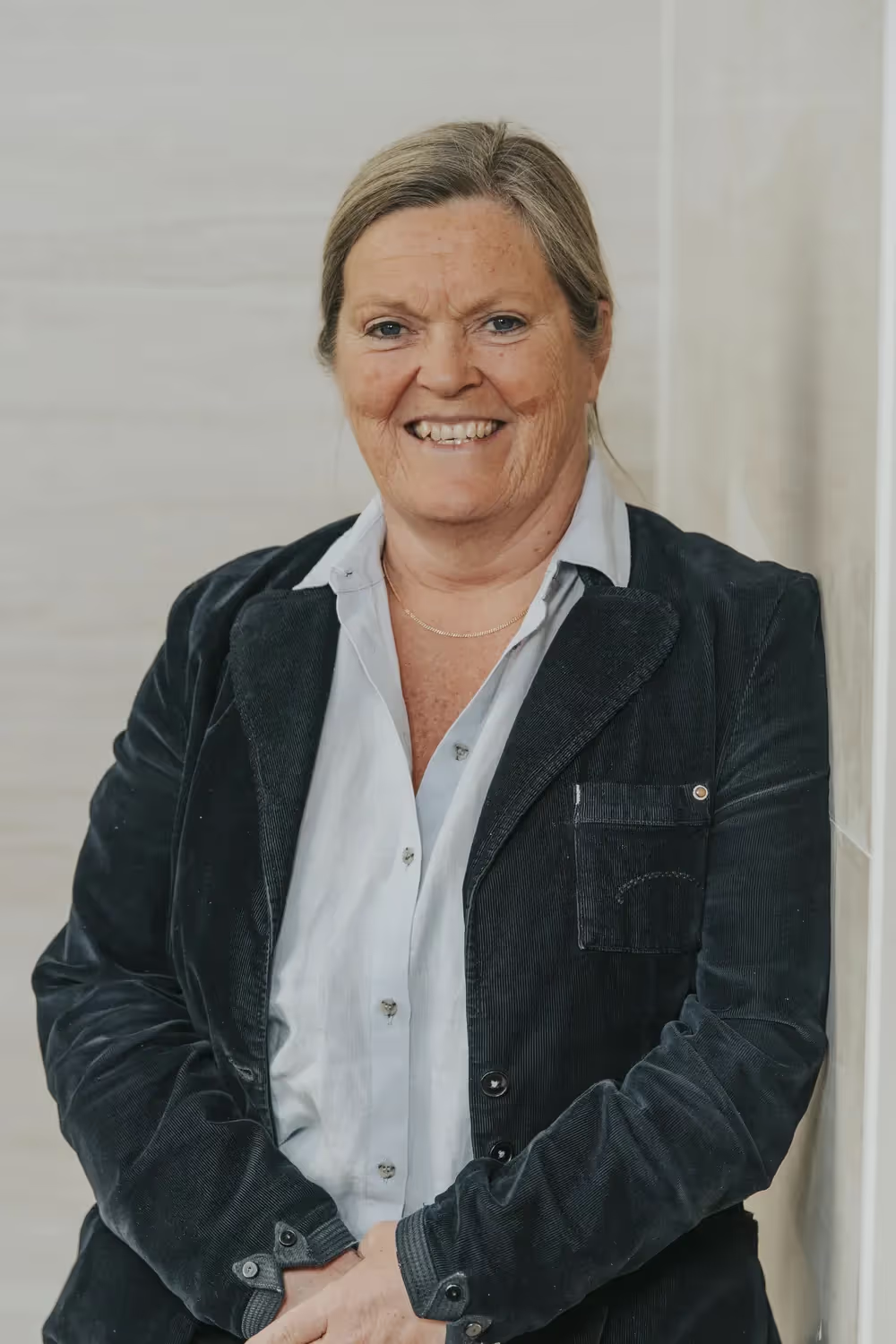
The article above was written by two female professionals within the UC Group: Elsbeth Braaksma and Caroline Dekker. Elsbeth has been in the field for thirty years, having held many management and project roles within Transport and Warehousing. Caroline has over 25 years of experience in Planning and Customer Service. Both are enthusiastic members of the Women in Supply Chain community and highly recommend it to other female managers in the sector.
UC Group works everywhere: our professionals are based across the Benelux. We welcome visitors at our offices in Rotterdam and Nieuwkuijk. Drop by for a coffee and get to know us!