June 11, 2026
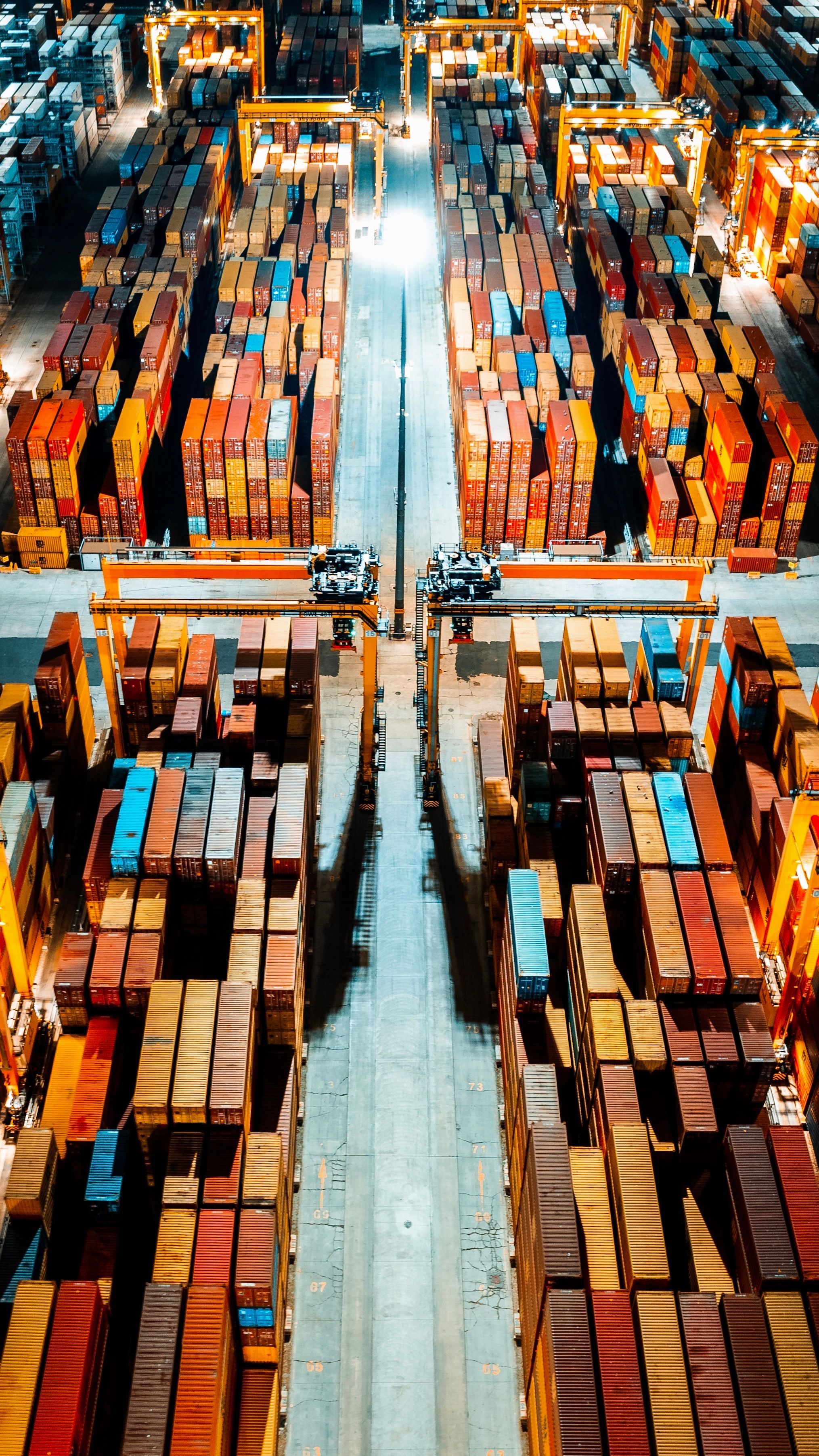
For years, supply chains were primarily designed with efficiency in mind. Centralization, economies of scale, and cost control formed the foundation of international operations. That model worked well as long as markets were predictable and customer expectations remained relatively stable…but that reality has changed.
Today, customers expect faster delivery times, higher availability, and immediate service. At the same time, markets are becoming more dynamic, pressure on service organizations is increasing, and the need for operational flexibility is growing. This creates a fundamental tension within many international organizations: commercial ambition is growing faster than the operational infrastructure can support. And precisely there, many companies face a structural problem.
Many European supply chains are still structured according to a highly centralized model. From a cost perspective, this makes sense: central warehouses create economies of scale, limit inventory levels, and simplify planning. In practice, however, these models are increasingly less aligned with local market expectations. This becomes particularly evident in markets with:
• high service intensity
• short delivery time expectations
• strong regional demand concentrations
• and complex after-sales operations
A recent project in the United Kingdom made this clearly visible. Although commercial demand grew strongly, operational bottlenecks arose concerning: inconsistent delivery times, limited availability of spare parts, inefficient return flows, and restricted flexibility due to cross-border dependencies
The supply chain was efficiently designed, but insufficiently aligned with the needs of the market it was meant to support.
Within many organizations, the reflex is predictable: add more inventory, open additional warehouses, or further decentralize local operations. But in practice, such measures often increase complexity and operational costs. The real challenge usually lies not in capacity, but in positioning.
For example, a recent analysis showed that approximately 80% of demand came from a relatively limited group of SKUs. At the same time, the operation supported thousands of service interventions annually within highly concentrated regions.
Such insights fundamentally change the discussion. The question then becomes not: “How do we build a larger supply chain?” But: “How do we design a smarter supply chain?”
Increasingly, organizations are therefore moving towards hybrid supply chain models. Not fully centralized, but a model where central economies of scale are retained, while local responsiveness is strategically added where the market demands it.
This means, for example:
• local positioning of fast-moving SKUs
• better availability of spare parts
• integration of service and fulfillment streams
• smarter last-mile partnerships
• and data-driven inventory positioning
What many organizations still underestimate is that supply chain decisions today directly impact commercial performance: delivery times affect conversion, availability influences customer satisfaction, service performance impacts brand perception, and operational flexibility determines how quickly organizations can scale up.
As a result, the role of the supply chain is fundamentally shifting. Where supply chain was once primarily seen as a supporting operation, it is increasingly becoming a decisive factor in competitive strength. Organizations that excel in this combine:
• central control
• local agility
• operational simplicity
• and continuous data-driven optimization
The most successful international organizations therefore no longer look exclusively at logistics costs. They focus on:
• cost-to-serve
• speed to market
• service performance
• scalability
• and operational resilience.
This calls for a different way of thinking. Not optimizing within existing structures, but redesigning supply chains based on commercial realities. Because in a market where customer expectations continue to rise, operational flexibility increasingly becomes the difference between facilitating growth and hindering it. And precisely for this reason, supply chain is no longer just an operational issue today. It is a strategic competitive advantage.
UC Group works everywhere: our professionals are based across the Benelux. We welcome visitors at our offices in Rotterdam and Nieuwkuijk. Drop by for a coffee and get to know us!