April 30, 2020
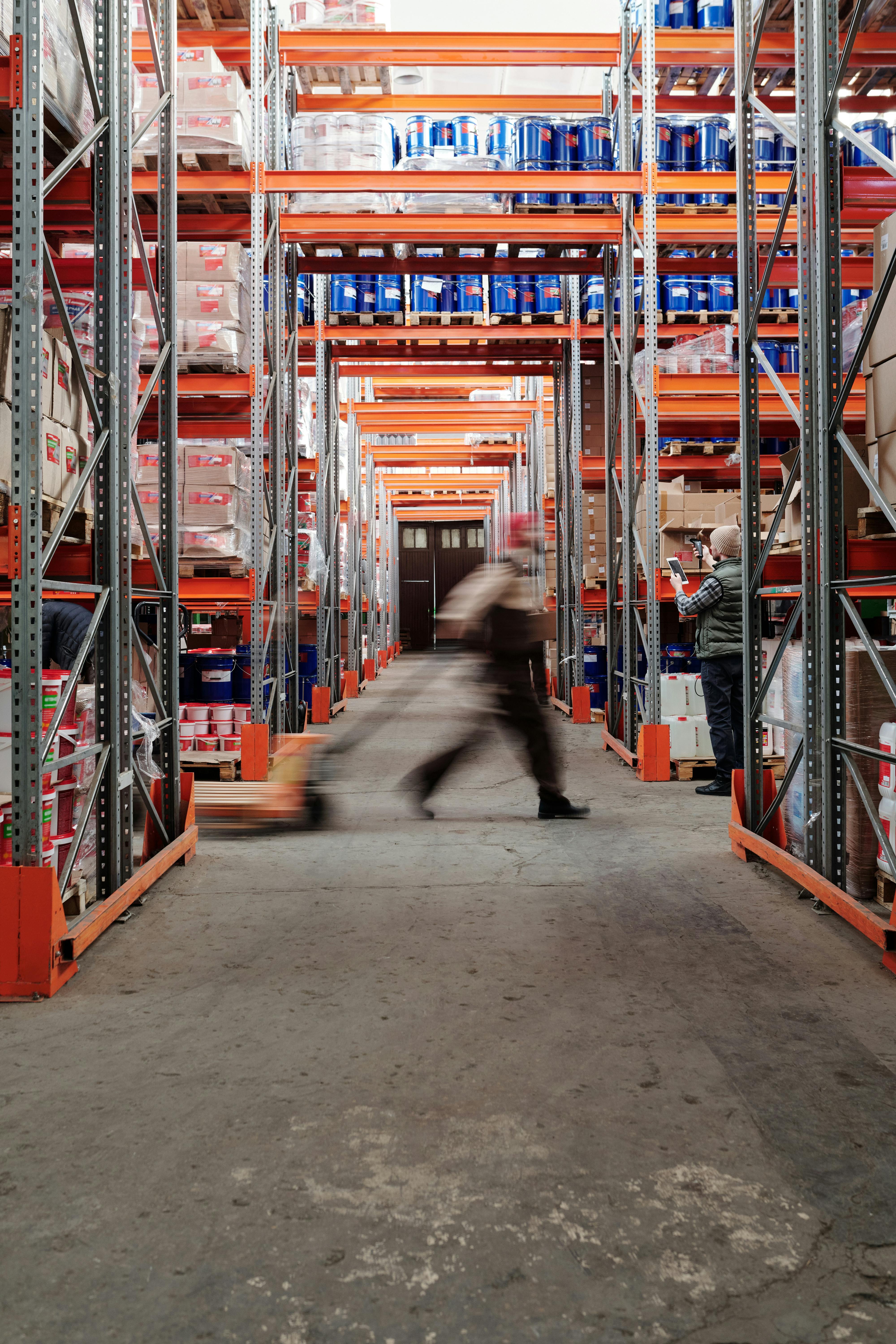
Supply chain disruptions are the new normal, and international markets can suddenly collapse. Countries and companies need to become resilient, but SMEs are lagging behind in this. Supply chain specialists Johan Omvlee and Lars Jan Hekkelman explain how to develop a targeted improvement plan that not only makes you 'resilient' but also enhances the profitability of your entire company.
As a company, you are a link in a chain that swings in all directions. There's a lot going on, both on the customer side and the supplier side. This makes not only individual companies but entire economies vulnerable. It's no coincidence that governments and industry organizations are paying a lot of attention to supply chain resilience. How do we make ourselves resilient to supply chain disruptions and shifts in sales channels? Multinationals have dedicated entire departments to this, but it seems to play hardly any role in SMEs. That's a shame because SMEs are shortchanging themselves. Supply chain resilience can actually lead to more profit and less risk for them.
To develop an action plan for resilience, you need to know where you stand. What vulnerabilities is your company subject to, and which of them have the greatest impact? This can be anything. Are you dependent on suppliers located on the other side of the world for your raw materials, components, and/or semi-finished products? Are you dependent on scarce raw materials or harvests that could fail? Then you are in the danger zone.
But vulnerability also lies on the demand side. Imagine President Trump imposing such significant trade barriers that your sales in the US completely disappear. Or that a strict ESG law from the EU suddenly prohibits the sale of your products because they are deemed too environmentally damaging. Imagine that happening.
Besides risks, it's also important to know to what extent your company is able to respond to them. What are your 'capabilities' to identify these potentially destructive changes and nip them in the bud in time? If, besides that one supplier in China, you don't know any other supplier who could potentially deliver the same product, then you are not very agile. If that one supplier has only limited capacity, you are also not scalable. But capabilities also lie within your internal organization. Do you have sufficient inventory buffers to absorb a temporary disruption? Are your employees capable of producing different products than you have done so far?
To map out vulnerabilities and capabilities, we at UC Group have developed the Supply Chain Resilience scan. This is highly suitable for SMEs. Based on the results, you immediately see where you should focus your attention first. This could, for example, mean that you need to work on real-time visibility of your transport flows. Or that you need to make long-term agreements with your suppliers. The scan also looks at leadership. Are existing managers capable of leading changes? Is the right person in the right place? If the manager of a planning department is already overwhelmed with stress, you cannot expect them to act decisively in emergencies.
Once your company's 'vulnerabilities' and 'capabilities' are known, it's time for an action plan. This aims to work on your company's resilience for the long term. This could involve a buyer being tasked with ensuring 'dual sourcing'. Or that the overworked planning manager temporarily receives help from an experienced interim manager. An improvement plan for resilience is a continuous process. By repeating the scan annually, you should see progress and know if you are still setting the right priorities.
We realize that the average SME is not exactly waiting for such a continuous improvement plan for resilience. They are already busy enough and cannot free up large budgets for this. The good news: resilience is an investment that pays for itself many times over. Just think how many points you score with your customers if you are the only one who can still deliver during the next pandemic. How much peace of mind it gives to know there's a backup plan, should another container ship get stuck. How much extra return you get from your organization when people are in the right place and aren't constantly playing catch-up.
SMEs are vulnerable to changes and can thereby endanger the entire supply chain. With the supply chain resilience scan, they identify their vulnerabilities and capabilities and create a plan for the future. A future of greater resilience and higher business performance.
UC Group has a supply chain resilience team specialized in identifying risks and developing improvement plans. One of the tools we use for this is the supply chain resilience scan. Would you like to run this for your company? Please contact us by sending an email to johan.omvlee@ucgroup.nl and/or larsjan.hekkelman@ucgroup.nl
We will respond immediately and would be happy to show you what UC Group can do for your organization.
UC Group works everywhere: our professionals are based across the Benelux. We welcome visitors at our offices in Rotterdam and Nieuwkuijk. Drop by for a coffee and get to know us!