May 5, 2026
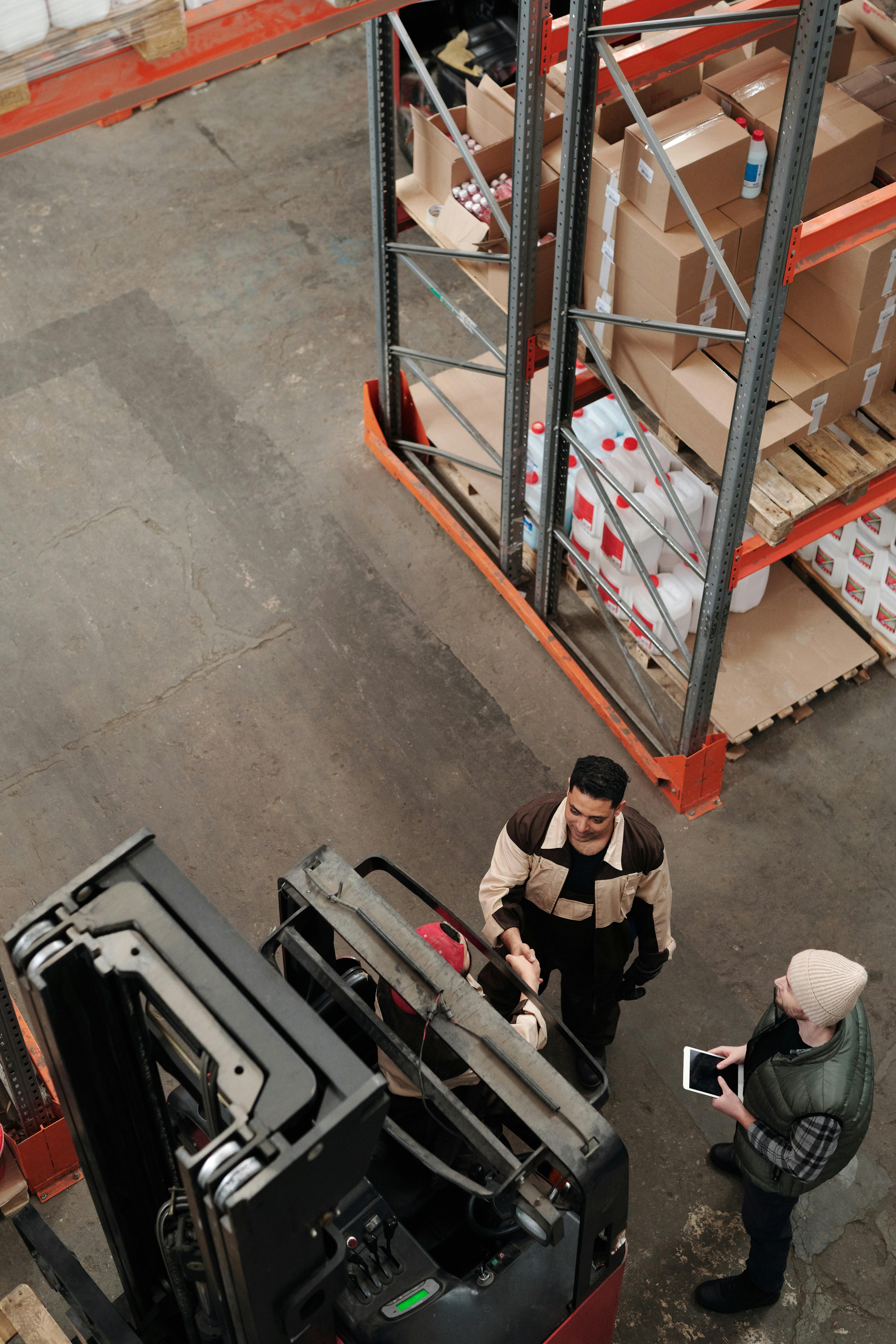
The current crises in the fields of energy, climate and raw materials are a prelude to a new era, says professor of “transition science” Jan Rotmans. We are in a revolution where the design of our supply chains must fundamentally change. During his keynote at the well-attended Innovation & Experience event, he gave attendees tips on how to prepare for this.
Climate crisis, raw material crisis, energy crisis; one crisis is not over yet, or the next is already coming. According to Rotmans, this is characteristic of the transition phase we are in. It is a phase of chaos between one balance and another balance. He has been studying these kinds of processes all his life and the current problems come as no surprise to him. Every crisis is the start of something new, a blessing in disguise that is precisely necessary to persuade people to change their behavior, to drive electric vehicles or to purchase solar panels. “It starts with a small group, but when 25% of the population has changed, the rest will follow naturally. We have already almost reached that tipping point with solar panels.”
“One of the crises that will hit your supply chains hard is the raw materials crisis,” warns the professor. In particular, there will be a major shortage of critical metals, such as lithium, silicon and cobalt, which are precisely needed to produce solar panels, windmills and batteries. “To achieve our climate goals, here in Europe, we will need at least 17 times as much lithium as we use today by 2030, but the production lines are largely owned by China. We in Europe let ourselves be soothed in that regard and now we have a major problem. Prices will explode.”
To cope with the increasing scarcity of raw materials, companies must produce more economically, waste less and build circular supply chains. The latter is talked about a lot but is practically still in its infancy, he regrets. “Most companies are still completely stuck in their old, linear disposable economy. In the Netherlands, we throw away 150 million kilos of clothing every year, only 1% of which is reused. And just think of all those solar panels that we are now putting on our roofs en masse. They are not made to recycle, so they will all go through the shredder soon.”
Supply chains are also still completely unsustainable. For decades, the focus has been on cost reduction and efficiency, which has resulted in extremely long production chains. Rotmans mentions the English sports brand Slazenger, which produces tennis balls, as the ultimate example. “When such a tennis ball arrives at Wimbledon, the raw materials and semi-finished products will have traveled no less than 80,000 kilometers across the Earth. According to Slazenger, it's the most cost-efficient way to make a tennis ball, but that's crazy! Think of the enormous CO2 emissions and all the waste associated with this. And it is also extremely risky. There only needs to be a disruption somewhere in the chain and everything is down.”
Companies should not optimize their supply chain, but transform them, is his motto. Chains must become small-scale and circular, with high-quality products and cooperative cooperation. In addition to their existing business, he advises companies to already set up a kind of shadow line, to test and gain experience. As an example, he mentions Ikea, which is experimenting with product recycling in the Netherlands. “They are preparing for a future where consumers no longer buy furniture but rent or lease. The furniture is then returned so that Ikea can make new furniture out of it. Brilliant: with this, Ikea is creating its own commodity chain and nothing disappears into the environment.”
It is quite a message that Rotmans is presenting to the visitors of the INEX event. These are often managers who must manage the mentioned changes in the right direction within their company. But how do you get started? “First of all, take a look at yourself,” he tips. “What type of manager are you and are you even someone who can lead such a change? Change processes require different types of people: demolishers, builders, connectors, leaders, followers, etc. Above all, try not to pull the bandwagon alone, but form a good team of people who complement each other.”
Another lesson he wants to teach is not to polder. “Don't try to get broad support for your transition. We are used to this in the Netherlands, but I have seen hundreds of times that this does not work. You're always dealing with a large group of people who don't want to change at all. They say 'yes' but think 'no' because, for example, they fear for their jobs. I call that group scribblers. If you involve them, they will sit in all kinds of workgroups, steering groups, sounding board groups, and before you know it, all the energy from your project has disappeared.”
His advice: Start a small transition, start with a group of people who really want to, and make it a quest. Don't plan too tightly because it's all still too uncertain, but formulate where you want to be in five years. Think big, start small. Above all, make it attractive and exciting. You will then see that more people will automatically join and when you reach the tipping point of 25%, the rest will come naturally.
UC Group works everywhere: our professionals are based across the Benelux. We welcome visitors at our offices in Rotterdam and Nieuwkuijk. Drop by for a coffee and get to know us!